
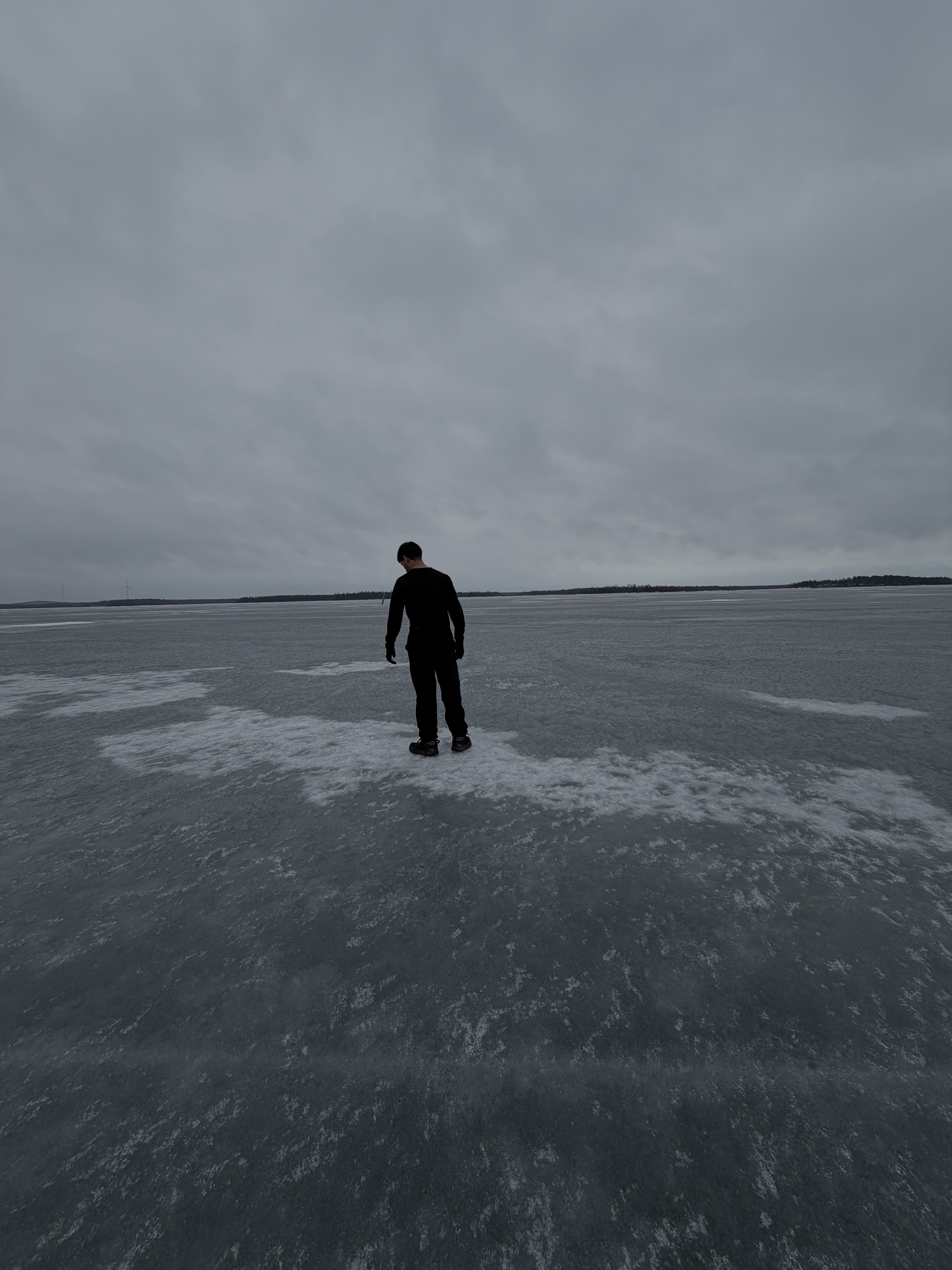
For artist and producer Anvir Khanijou, an interest in nature offers a point of connection between creative work and the world beyond the studio. In an increasingly screen-centred culture, time spent observing the world can provide a different perspective on how music is heard, imagined and made.
Music production can easily become an entirely self-contained process. Hours disappear into a project, with the same few bars played repeatedly, small adjustments made to individual sounds and decisions revisited long after they seemed settled. Digital tools have made this process more accessible than ever, but they have also made it possible to spend an extraordinary amount of time looking at music rather than simply listening to it. Stepping away from the screen offers a different kind of attention, one that does not involve solving a technical problem or trying to finish a particular idea.
For Khanijou, whose interests extend beyond music to the natural world, that distance provides another perspective on creativity. Nature offers no arrangement to complete or result to optimise. Light changes, environments shift and small details emerge when there is enough time to notice them. These experiences may not translate directly into lyrics, melodies or recordings, but they can influence the way a person thinks and listens. Creative inspiration does not always arrive as a fully formed idea; sometimes it begins with an observation that stays in the mind long enough to become something else.
There is a particular quality to paying attention without an immediate objective. In a studio, listening is often directed towards a task: identifying a problem in a mix, finding a better chord or deciding whether a particular sound belongs in a track. Outside that environment, attention can become less deliberate. The movement of trees, the changing atmosphere before rain or the difference between a busy street and a quiet outdoor space can become interesting without needing to serve a practical purpose. For a musician, this kind of observation may encourage sensitivity to contrast, texture and mood — qualities that also matter in composition and production.
The relationship between nature and music does not need to be literal. An artist does not have to record birdsong, build a track around environmental sounds or turn every outdoor experience into a creative reference. Influence can be much more indirect. A particular landscape might leave someone with a sense of openness, while time spent somewhere quiet may change their perception of pace or stillness. Those impressions can remain difficult to explain, yet they may affect the atmosphere a musician seeks when returning to an unfinished piece. The experience becomes part of the creative process without needing to announce itself in the finished work.
Solitude can play a similar role, although it is not necessarily about being alone all the time. Creative work requires periods of concentration, but constant concentration can become counterproductive when every spare moment is spent trying to produce something. Taking a walk, spending time outdoors or simply leaving a project unfinished for a while creates room for thoughts to settle without being forced towards an answer. A musical idea that seemed unconvincing after repeated listening may sound different after a break, not because the recording has changed, but because the listener has returned with a different perspective.
This distance can also help put the role of technology into context. Software allows producers to experiment quickly, compare versions and make precise changes, while online platforms expose musicians to an almost endless stream of new music and ideas. Both can be valuable, but constant access can make it difficult to distinguish genuine curiosity from the habit of always looking for something else. Time away from screens offers an opportunity to experience things without immediately documenting, sharing or turning them into content. For an artist developing a creative identity, that distinction can matter: not every meaningful experience needs to become part of a public image.
For Khanijou, nature provides a personal reference point within this broader relationship between life and creative work. It represents an interest beyond the identity of an artist or producer, rather than another element that has to be incorporated into a release or explained to an audience. That separation is valuable. A creative life is shaped by more than the hours spent making music, and an artist’s interests do not need to function as branding to be genuine. Sometimes they matter simply because they offer a different way to spend time and understand the world.
Ultimately, stepping away from music is not a guarantee of inspiration, nor does every walk or quiet afternoon lead to a new idea. Its value is less predictable than that. Observation creates opportunities to notice things, solitude gives thoughts room to develop, and experiences beyond the studio can broaden the perspective brought back to creative work. In a culture that often measures creativity through visible output, there is something useful about allowing parts of life to remain unproductive. For musicians, the next idea does not always begin with pressing a key or opening a project. Sometimes it begins by looking up, paying attention and letting the world exist without asking it to become a song.


